An optimized SEO Title for the post (MUST be quoted)
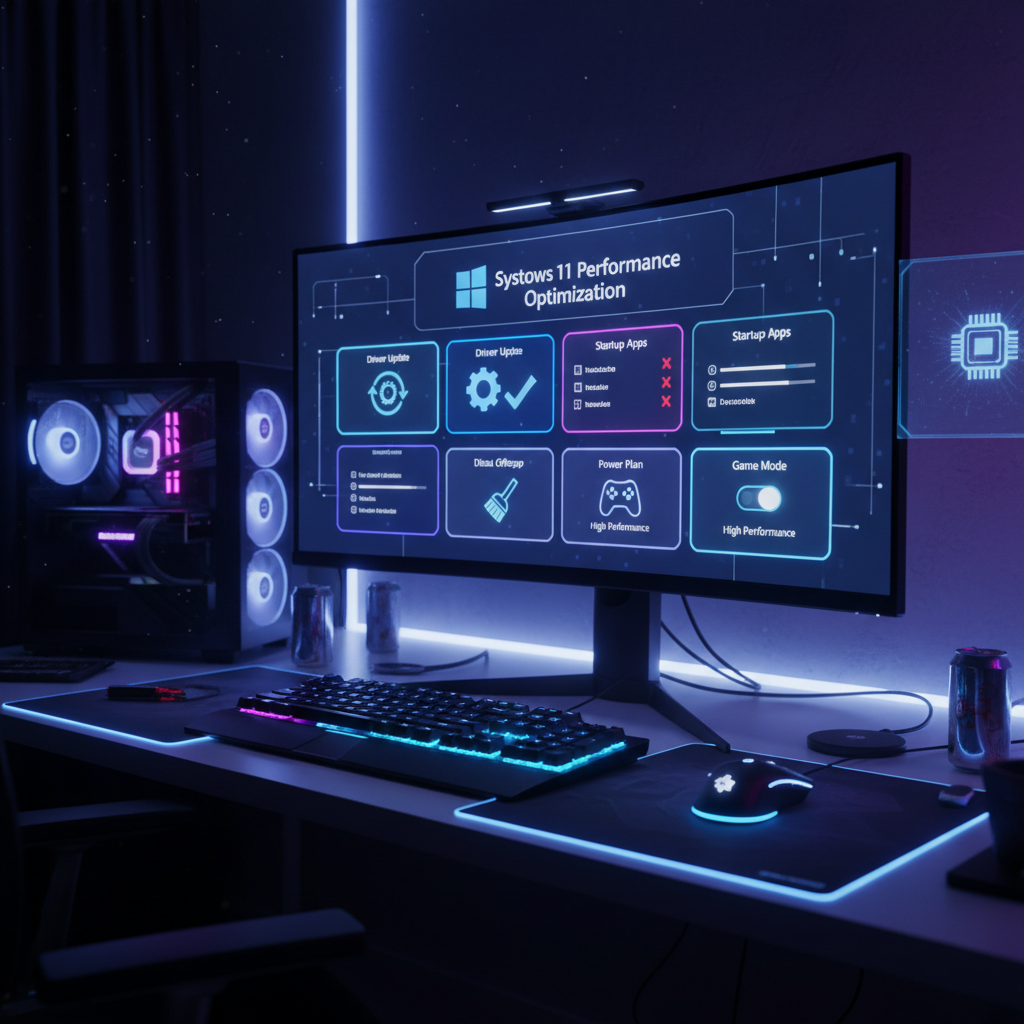
Optimize Windows 11 for Peak Performance: Essential Settings Guide
Windows 11, released in 2021, has become a cornerstone of personal and professional computing. However, achieving its full potential – particularly in demanding tasks like gaming, video editing, or complex software development – often requires a degree of fine-tuning.
This guide provides a comprehensive overview of how to optimize Windows 11 for peak performance, covering everything from basic system settings to advanced troubleshooting techniques. We’ll delve into strategies for boosting speed, reducing lag, and maximizing your system’s potential, ensuring a smoother and more productive experience – whether you’re tackling projects in 2026 or beyond.
Understanding Windows 11 Performance
Before diving into specific settings, it’s crucial to understand the factors that influence Windows 11 performance. Several elements contribute to a system’s speed and responsiveness:
- Hardware: The CPU, GPU, RAM, and storage drive are the primary determinants of performance.
- Software: Background processes, installed applications, and drivers can consume resources and slow down the system.
- Operating System Configuration: Windows 11’s settings, including power options, visual effects, and startup programs, significantly impact performance.
- Fragmentation: Over time, files on your hard drive can become fragmented, leading to slower access times.
- Driver Issues: Outdated or incompatible drivers can cause performance problems and system instability.
Key Settings for Windows 11 Optimization
Let’s explore the most impactful settings you can adjust to improve Windows 11 performance:
1. Power Options
Windows 11's power options can dramatically affect performance. By default, Windows often prioritizes energy saving over speed. Here's how to optimize them:
- Select a Balanced or High Performance Plan: In Control Panel > Power Options, choose the “High Performance” plan for maximum speed, or the “Balanced” plan for a good compromise.
- Customize Advanced Settings: Click “Change plan settings” next to your selected plan. Adjust the “Turn off the display” and “Put the computer to sleep” timers to suit your needs. Ensure “Hard disk turn off to save power” is disabled – this can significantly slow down access times.
- Customize Further: For granular control, click “Change advanced power settings.” Here, you can fine-tune settings like USB selective suspend, processor power management, and display power management.
2. Startup Programs
Many applications automatically launch when Windows starts, consuming resources and slowing down the boot process.
- Use Task Manager: Press Ctrl+Shift+Esc to open Task Manager. Go to the “Startup” tab.
- Disable Unnecessary Programs: Carefully review the list of startup programs and disable any that you don’t need running in the background. Be cautious about disabling essential system processes.
- Modern Windows Guidelines: Windows 11’s Modern Windows guidelines require startup-aware applications to be properly registered. This ensures they function correctly and don’t negatively impact performance. Using the Settings interface to manage startup programs aligns with these guidelines.
3. Visual Effects
Windows 11’s visual effects, such as animations and shadows, can consume significant processing power.
- Adjust Settings: Go to Control Panel > System and Security > System > Advanced system settings. Click “Performance” in the “Advanced” tab.
- Choose “Adjust for best performance”: This option disables all visual effects.
- Customize: Alternatively, select “Custom” and choose which visual effects to enable or disable. Disabling animations and shadows can noticeably improve performance.
4. Storage Optimization
- Run Disk Cleanup: Search for “Disk Cleanup” in the Start menu and run it. Select the drive you want to clean and choose the files you want to delete (temporary files, system files, etc.).
- Defragment Your Hard Drive (if applicable): If you’re using a traditional hard disk drive (HDD), defragmenting it can improve access times. Windows automatically defragments HDDs on a schedule, but you can manually run it by searching for “Defragment and Optimize Drives.” Do not defragment an SSD – it’s unnecessary and can reduce its lifespan.
- Check Disk Health: Use the command prompt (run as administrator) and type
chkdsk /f /r C:to scan for and repair disk errors.
5. Game Mode
Windows 11’s Game Mode optimizes your PC for playing games.
- Enable Game Mode: Go to Settings > Gaming > Game Mode. Turn it on.
- Game Mode Benefits: Game Mode prioritizes system resources for gaming, taking them away from other apps and background processes. It can also optimize graphics settings and reduce latency.
Advanced Troubleshooting Techniques
If you’ve made the above adjustments and still experiencing performance issues, consider these advanced techniques:
- Update Drivers: Ensure you have the latest drivers for your graphics card, chipset, and other hardware components. Outdated drivers can cause significant performance problems.
- Check for Malware: Malware can consume system resources and slow down your PC. Run a full system scan with your antivirus software.
- System File Checker (SFC): Open Command Prompt as administrator and run
sfc /scannowto scan for and repair corrupted system files. - Clean Boot: Perform a clean boot to start Windows with a minimal set of drivers and startup programs. This can help you identify if a third-party application is causing the problem.
- Monitor Resource Usage: Use Task Manager to monitor CPU, memory, and disk usage. This can help you identify which processes are consuming the most resources.
- Consider Hardware Upgrades: If your hardware is outdated, upgrading your CPU, GPU, or RAM can significantly improve performance.
Frequently Asked Questions (FAQ)
Q: How do I know if my Windows 11 PC is running optimally?
A: Monitor your system’s performance using Task Manager. Look for high CPU usage, memory bottlenecks, or slow disk access times.
Q: Should I disable all visual effects?
A: While disabling all visual effects can improve performance, it can also make Windows 11 look less appealing. Experiment with different settings to find a balance between performance and aesthetics.
Q: What’s the difference between defragmenting an HDD and an SSD?
A: Defragmenting an HDD is necessary to reorganize fragmented files, improving access times. However, defragmenting an SSD is unnecessary and can shorten its lifespan. SSDs use a different storage technology and don’t benefit from defragmentation.
Q: How do I troubleshoot slow startup times?
A: Disable unnecessary startup programs, update drivers, and ensure your hard drive is not fragmented.
Q: What should I do if my games are running poorly?
A: Enable Game Mode, update your graphics drivers, and adjust the graphics settings in your games.
Q: Can Windows 11 be optimized for a specific task, such as video editing?
A: Yes! Prioritize RAM, ensure you have a powerful GPU, and install optimized video editing software. Adjusting power settings to “High Performance” is also beneficial.
Q: What is the impact of RAM on Windows 11 performance?
A: RAM (Random Access Memory) is crucial for multitasking and running applications smoothly. Insufficient RAM can lead to slow performance and frequent system slowdowns. 16GB of RAM is generally recommended for Windows 11, and 32GB is ideal for demanding tasks.
Q: Is Windows 11 compatible with older hardware?
A: Windows 11 has minimum hardware requirements. Older systems may not be compatible and may require a BIOS update.
Q: How often should I perform maintenance on my Windows 11 PC?
A: Regularly run Disk Cleanup, defragment your HDD (if applicable), and update your drivers. A full system scan with your antivirus software should also be performed regularly.
Conclusion
Optimizing Windows 11 for peak performance is an ongoing process. By implementing the settings and techniques outlined in this guide, you can significantly improve your system’s speed, responsiveness, and overall user experience.
Remember to regularly monitor your system’s performance and adjust your settings as needed. With a little effort, you can ensure that your Windows 11 PC is running at its best, allowing you to tackle your tasks with efficiency and enjoy a smoother computing experience – now and in the future.