Unmask Your Online Life: The Top Privacy-Focused Web Browsers of 2026
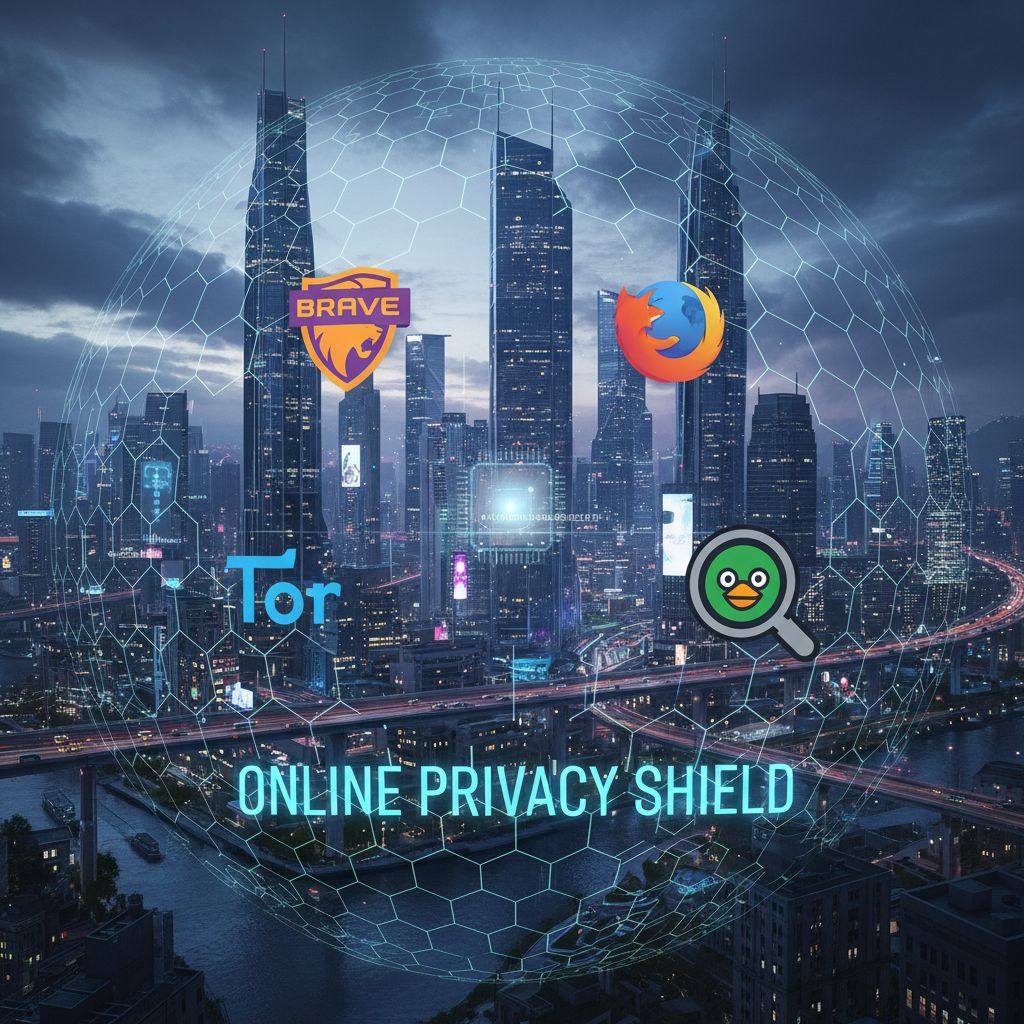
Navigating the Web with Privacy: A Guide to Privacy-Focused Web Browsers
Protecting your online privacy is more critical than ever. This guide provides a comprehensive overview of privacy-focused web browsers, exploring their key features, underlying concepts, and important considerations for users.
We’ll delve into what makes these browsers different and how they can help you regain control over your data.
Key Features & Concepts:
Privacy-focused browsers prioritize user privacy by employing techniques like:
- Enhanced Tracking Protection: Blocking third-party trackers and cookies to limit data collection.
- Private Browsing Modes: Offering dedicated windows that don't save browsing history, cookies, or form data.
- Anti-Fingerprinting Technologies: Preventing websites from uniquely identifying your browser based on its configuration – a significant threat to anonymity.
- DNS over HTTPS (DoH): Encrypting DNS queries to prevent eavesdropping and manipulation.
- Built-in Ad Blockers: Eliminating intrusive advertising that often relies on tracking.
Choosing the Right Browser:
Several excellent options are available, each with its strengths. Popular choices include Example Browser 1 Link - e.g., Brave Browser and Example Browser 2 Link - e.g., Firefox Focus.
Research and compare features to find the best fit for your needs.
Frequently Asked Questions (FAQs):
- Q: What is “tracking protection”? A: Tracking protection blocks scripts and trackers that follow your online activity across websites, reducing the amount of data collected about you.
- Q: Are privacy-focused browsers completely anonymous? A: While these browsers significantly enhance your privacy, achieving complete anonymity online is complex and requires a layered approach.
- Q: Do I need to change my browsing habits? A: While these browsers offer strong protection, adopting mindful browsing practices – such as minimizing personal information sharing and being cautious about links – remains crucial.
Resources for Further Learning:
- Link to a reputable privacy advocacy organization - e.g., Electronic Frontier Foundation
- Link to a browser comparison website - e.g., PrivacyTools.io
- Link to a detailed article on browser fingerprinting
Note: Remember to replace the placeholder URLs with actual links when publishing.